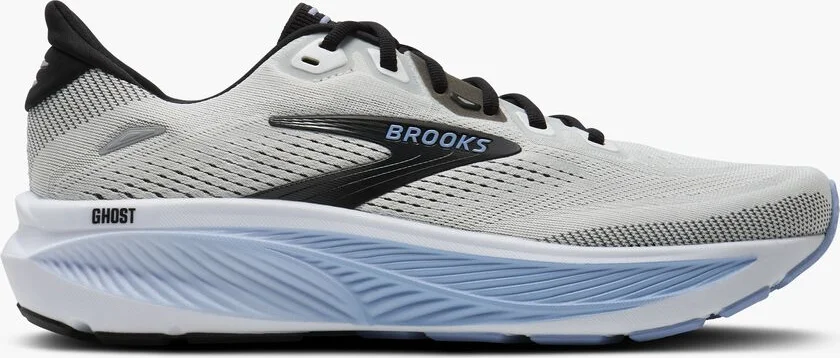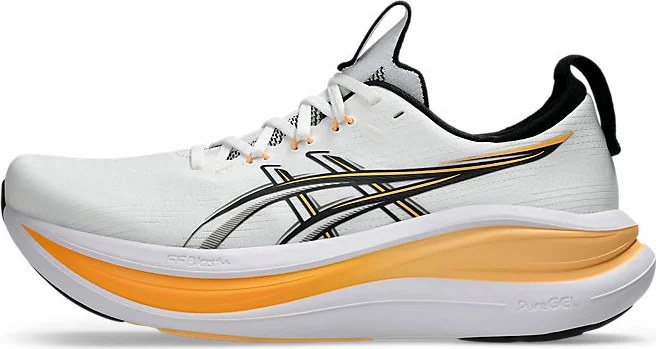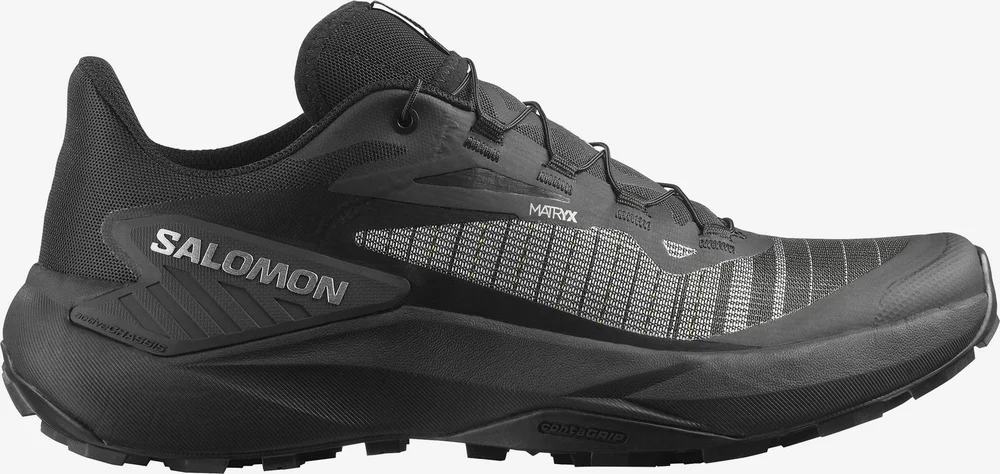
Start with one comfortable shoe for the runs you do most. Add a trail shoe when your routes need it, or a different road shoe when it fills a specific role. A useful rotation is built around distinct jobs, rather than a target number of pairs.
Start with your ordinary week
Write down where you run and which sessions you repeat. If that is mostly easy road outings, a well-fitting daily road shoe is the logical first purchase. You do not need a separate pair for every pace before you have established a routine. Choose the shoe that earns its place most often.
Give every pair a job
A second pair should answer a specific need: traction for trail routes, a different platform for a particular session, or a replacement for a pair nearing the end of its useful life. If you cannot describe the difference in one sentence, you may be buying overlap. There is nothing wrong with enjoying shoes, but distinguish that from a training necessity.
Compare comfort before features
Bring the socks and insoles you normally run in. Compare a few shapes instead of committing to a brand name first. Check toe room, heel hold, and the pressure around the midfoot while moving. Manufacturer specifications are helpful for making a shortlist; the fitting session decides which of those candidates actually suits you.
Make terrain the first meaningful split
A runner who alternates pavement and rocky paths has a clear reason to compare road and trail shoes. An outsole designed for off-road ground serves a different purpose from a road trainer. Match the trail shoe to the kind of surface and conditions you regularly encounter, rather than expecting the most aggressive-looking tread to be the best choice.
Buy the next pair deliberately
Keep notes about what you like in your current shoe and what you want to change. That gives a replacement or addition a useful brief. A sale is attractive when the exact size, width, version, and return policy work for you. A low price on a poor fit is an expensive way to fill a rotation.
Your questions, answered.
How many running shoes do beginners need?
One comfortable pair that suits their main routes can be enough to start. Add a second pair when it fills a distinct need.
Should every pair be a different brand?
No. Choose by fit, terrain, and purpose rather than trying to collect a spread of brand names.
Our buying guidance draws on the product details in the reviews below. Read our editorial standards.